 Whether you have just begun exploring treatment options or have already decided with your orthopedic surgeon to undergo hip replacement surgery, this information will help you understand the benefits and limitations of total hip replacement. This article describes how a normal hip works, the causes of hip pain, what to expect from hip replacement surgery, and what exercises and activities will help restore your mobility and strength and enable you to return to everyday activities.
If your hip has been damaged by arthritis, a fracture or other conditions, common activities such as walking or getting in and out of a chair may be painful and difficult. Your hip may be stiff and it may be hard to put on your shoes and socks. You may even feel uncomfortable while resting.
If medications, changes in your everyday activities, and the use of walking aids such as a cane are not helpful, you may want to consider hip replacement surgery. By replacing your diseased hip joint with an artificial joint, hip replacement surgery can relieve your pain, increase motion, and help you get back to enjoying normal, everyday activities.
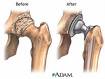 First performed in 1960, hip replacement surgery is one of the most important surgical advances of the last century. Since 1960, improvements in joint replacement surgical techniques and technology have greatly increased the effectiveness of total hip replacement. Today, more than 193,000 total hip replacements are performed each year in the United States. Similar surgical procedures are performed on other joints, including the knee, shoulder, and elbow.
You may benefit from hip replacement surgery if:
* Hip pain limits your everyday activities such as walking or bending.
* Hip pain continues while resting, either day or night.
* Stiffness in a hip limits your ability to move or lift your leg.
* You have little pain relief from anti-inflammatory drugs or glucosamine sulfate.
* You have harmful or unpleasant side effects from your hip medications.
* Other treatments such as physical therapy or the use of a gait aid such as a cane do not relieve hip pain.
The following is a list of home modifications that will make your return home easier during your recovery:
* Securely fastened safety bars or handrails in your shower or bath
* Secure handrails along all stairways
* A stable chair for your early recovery with a firm seat cushion (that allows your knees to remain lower than your hips), a firm back, and two arms
* A raised toilet seat
* A stable shower bench or chair for bathing
* A long-handled sponge and shower hose
* A dressing stick, a sock aid, and a long-handled shoe horn for putting on and taking off shoes and socks without excessively bending your new hip
* A reacher that will allow you to grab objects without excessive bending of your hips
* Firm pillows for your chairs, sofas, and car that enable you to sit with your knees lower than your hips
* Removal of all loose carpets and electrical cords from the areas where you walk in your home
Your Surgery
You will most likely be admitted to the hospital on the day of your surgery. Prior to admission, a member of the anesthesia team will evaluate you. The most common types of anesthesia for hip replacement surgery are general anesthesia (which puts you to sleep throughout the procedure and uses a machine to help you breath) or spinal anesthesia (which allows you to breath on your own but anesthetizes your body from the waist down). The anesthesia team will discuss these choices with you and help you decide which type of anesthesia is best for you.
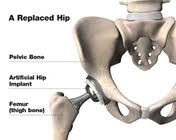
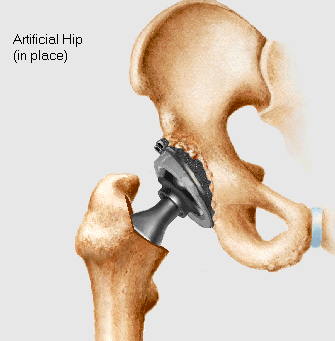
 Many different types of designs and materials are currently used in artificial hip joints. All of them consist of two basic components: the ball component (made of a highly polished strong metal or ceramic material) and the socket component (a durable cup made of plastic, ceramic or metal, which may have an outer metal shell).
Recovery
The success of your surgery will depend in large measure on how well you follow your orthopaedic surgeon’s instructions regarding home care during the first few weeks after surgery.
Wound Care
You will have stitches or staples running along your wound or a suture beneath your skin. The stitches or staples will be removed approximately 2 weeks after surgery.
Avoid getting the wound wet until it has thoroughly sealed and dried. A bandage may be placed over the wound to prevent irritation from clothing or support stockings.
Diet
Some loss of appetite is common for several weeks after surgery. A balanced diet, often with an iron supplement, is important to promote proper tissue healing and restore muscle strength. Be sure to drink plenty of fluids.
Your activity program should include:
* A graduated walking program, initially in your home and later outside
* A walking program to slowly increase your mobility and endurance
* Resuming other normal household activities
* Resuming sitting, standing, and walking up and down stairs
* Specific exercises several times a day to restore movement
* Specific exercises several times a day to strengthen your hip joint
* You may wish to have a physical therapist help you at home
Your new hip may activate metal detectors required for security in airports and some buildings. Tell the security agent about your hip replacement if the alarm is activated. You may ask your orthopedic surgeon for a card confirming that you have an artificial hip.
After surgery, make sure you also do the following:
* Participate in a regular light exercise program to maintain proper strength and mobility of your new hip.
* Take special precautions to avoid falls and injuries. Individuals who have undergone hip replacement surgery and experience a fracture may require more surgery.
* Notify your dentist that you have had a hip replacement. You will need to take antibiotics before any dental procedure. Information for your surgeon regarding the use of antibiotics is available from the AAOS.
* See your orthopedic surgeon periodically for routine follow-up examinations and x-rays (radiographs), even if your hip replacement seems to be doing fine.
The biggest thing I suggest is find support with other people who have gone through the process of becoming HIPPER!


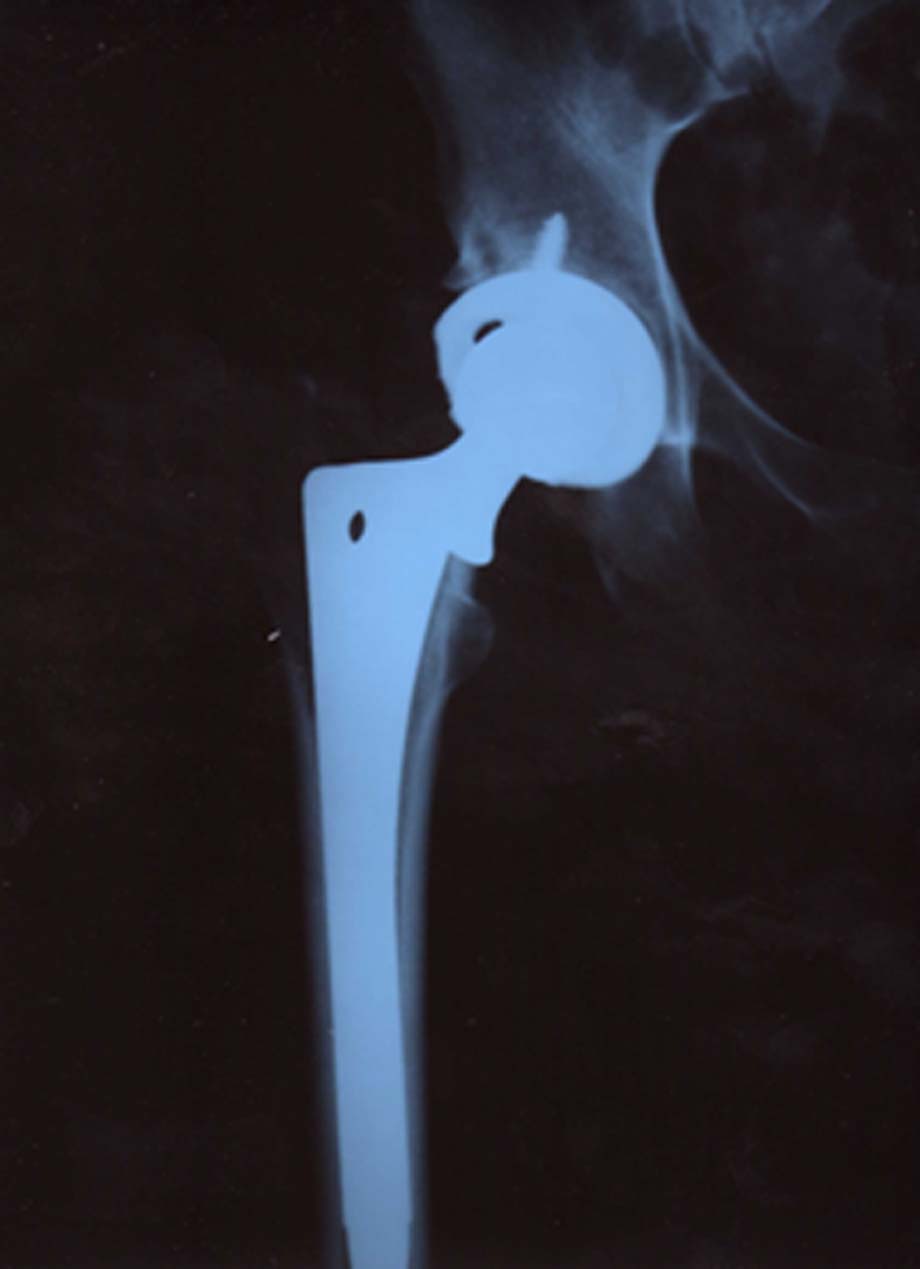 Twenty-eight million Americans over the age of 25, Tom, have degenerative joint disease. It`s arthritis. This is a growing area. The stock seems to be overvalued but it`s not when you look at these 100 percent-plus growth trends. And the bigger guys, like the Zimmers out there, $12 billion market cap, could easily swallow MAKO, at a $1.2 billion market cap.






 Hipster Club