Hip Replacement – The Ultimate Remedy for Arthritic Inmates

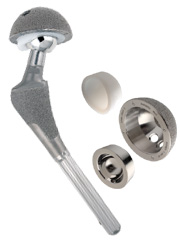
When a human being starts growing, his body builds up a propensity to come up with diverse heath complications. These health problems gradually weaken the functions of the body parts. One such harmful disease is arthritis which is considered to one of the painful health complications arising in the human body. Arthritis results in pain in the joints and the aftereffects usher on the hip and knee joints. As a result, people find difficult to move their hips flexibly since they experience a kind of stiffness in the joints. To tackle with such health complications, the hip replacement surgery can be a good option. The two types of surgeries that arthritis patients usually opt for are posterior hip replacement and anterior hip replacement.

via Hip Replacement – The Ultimate Remedy for Arthritic Inmates – Health.
Why I Chose a Double Hip Replacement and How I Bounced Back – Osteoarthritis

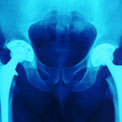
    Glenn, 54, a married father of one teenage daughter living in New York State, was a longtime fitness buff who lived with unbearable pain in both of his hips. Knowing that he’d have to replace them, he made the bold decision to have double hip replacement surgery, a choice that made his recovery significantly more challenging. He spoke with Health.com just a month after the operation.

via Why I Chose a Double Hip Replacement and How I Bounced Back – Osteoarthritis – Health.com.

After Hip Replacement: Continuing with Hospital Recovery

Once you have been shown how to protect your hip, you will learn the skills needed to return to normal life. You’ll be taught how to walk, sit, and dress. To make moving easier, ask for pain medications before each training session.

via After Hip Replacement: Continuing with Hospital Recovery | HealthSheets | Wellness Library

Hip Surface Replacement

    Hip replacement surgery has been around since the early 1960s. Sir John Charnley experimented in the early 1950s, and he used a small (22 mm) stainless steel ball on a stem in 1962 that he inserted into the femur (hip) bone to replace the femoral head (ball). He then inserted a high-density plastic socket to replace the acetabular (socket) side of the hip joint.  Both were secured with a self-curing acrylic polymer known as bone cement.

via Hip Surface Replacement.

What Brief History Of Hip Replacement Surgery | Guide Easy For Health

Hip replacement is a medical procedure in which the hip joint is replaced by a synthetic implant. It is the most successful, cheapest and safest form of joint replacement surgery. The earliest recorded attempts at hip replacement, which were carried out in Germany, used ivory to replace the femoral head.

Use of artificial hips became more widespread in the 1930s; the artificial joints were made of steel or chrome. They were considered to be better than arthritis but had a number of drawbacks. The main problem was that the articulating surfaces could not be lubricated by the body, leading to wear and loosening and hence the need to replace the joint again (known as revision operations).

via What Brief History Of Hip Replacement Surgery | Guide Easy For Health.

Golf Fitness Magazine | How To Get Back On The Course After Hip And Knee Replacement Surgery

       As a Physical Therapist I often hear the question, “Can I play golf again?” Regardless of age, skill level or gender, everyone—especially here in Florida, where we can, fortunately, enjoy golf year-round—is eager to return to the sport. Many times these patients are recent recipients of hip or knee replacements.

Recent statistics reveal that each year more than half a million people undergo hip or knee replacement surgery. In my research, I have found that every surgeon encourages his or her patient to resume golfing following the procedure. And, in fact, more than 90 percent of patients successfully return to playing golf.

via Golf Fitness Magazine | How To Get Back On The Course After Hip And Knee Replacement Surgery.

Bilateral Hip Replacement | Health And Nutrition Tips

Everything You Need To Know About Bilateral Hip Replacement

Bilateral hip replacement is done routinely, presenting one of the highest success rates of body part replacement surgeries. Depending on your situation and the surgeon, you may have one hip joint replaced and then the other in a separate surgery which is usually several months apart or you can have them done simultaneously. When you have one surgery done at a time, it is really a long process because you need two hospital visits, two anesthesia treatments and then two separate rehabilitation and recovery periods. Although having just one surgery is more convenient, it is painful and rehabilitation is incredibly difficult.

via Bilateral Hip Replacement | Health And Nutrition Tips.

Fast Facts About Hip Replacement

Fast Facts: An Easy-to-Read Series of Publications for the Public

Hip replacement surgery removes damaged or diseased parts of a hip joint and replaces them with new, man-made parts. The goals of this surgery are to:

Relieve pain

Help the hip joint work better

Improve walking and other movements.

via Fast Facts About Hip Replacement.

What Can I Expect After A Hip Replacement? | ehealthMD

New technology involving the implants for artificial hip replacement and advances in surgical techniques has improved the immediate and long-term outcome of the surgery. Generally today’s artificial hips can last a lifetime. However, if the person is very young, the plastic can wear out. Fortunately, with the new socket implants for the pelvis, the socket can be changed without removing the other portions of the hip joint.

via What Can I Expect After A Hip Replacement? | ehealthMD.