RECOVERY CHECK LIST

Featured

The Ultimate Guide to Hip Recovery: Preparing, Healing, and Thriving

This guide is your roadmap for navigating hip pain, preparing for surgery, recovering, and thriving afterward. It’s designed for anyone experiencing hip issues—whether it’s early-stage discomfort, post-surgery recovery, or long-term joint management.


Understanding Hip Pain and Joint Degeneration

Hip pain doesn’t always start suddenly. For many, it’s a slow progression…

  • Early signs: Stiffness, mild pain, clicking or popping sounds
  • Advanced signs: Bone-on-bone pain, loss of mobility, difficulty sleeping
  • Common causes: Osteoarthritis, dysplasia, past injuries, autoimmune conditions

Why understanding your pain matters:
Many people try to push through discomfort, thinking it’s “normal aging.” But early recognition allows for interventions that can slow progression and improve quality of life.

Tip: Keep a pain and mobility journal. Track your daily activity, pain levels, and triggers. This record will help your doctor and physical therapist create a personalized plan.


Emotional and Mental Health in the Hip Journey

Hip pain is not just physical—it’s emotional. Many patients experience:

  • Anxiety about mobility and independence
  • Frustration with limitations in daily life
  • Isolation from friends and activities they once enjoyed

Strategies to support emotional health:

  • Mindfulness practices: Meditation, journaling, or guided imagery
  • Community support: Hipster Club, support groups, and online forums
  • Professional guidance: Physical therapists, counselors, or health coaches
  • Set realistic goals: Celebrate small wins like walking further or sleeping through the night

Tip: Your mental health is directly linked to physical recovery. Don’t skip this part of your healing process.


Preparing for Hip Replacement Surgery

Preparation is key for a smooth recovery. Here’s a comprehensive checklist:

Physical Preparation

  • Pre-op exercises to strengthen your core, glutes, and hip muscles
  • Cardiovascular activity like swimming or cycling to improve endurance
  • Stretching to maintain flexibility

Home Preparation

  • Clear pathways, remove trip hazards, and place essentials within reach
  • Set up a recovery station with pillows, water, and snacks
  • Consider raised toilet seats, walkers, or supportive chairs

Medical Preparation

  • Compile your medical history, medications, and supplements
  • Ask your surgeon about blood work, imaging, and pre-op instructions
  • Prepare questions about anesthesia, recovery timeline, and post-op therapy

Nutrition & Lifestyle

  • Anti-inflammatory diet rich in protein, vegetables, and healthy fats
  • Avoid alcohol and smoking to promote healing
  • Hydrate well pre- and post-surgery

Tip: Think of this phase as building a foundation. The better you prepare, the smoother your recovery.


Post-Surgery Recovery Roadmap

Recovery is not one-size-fits-all, but there are key stages and strategies:

Immediate Post-Op (0–2 Weeks)

  • Pain management: Ice, elevation, and medications as prescribed
  • Movement: Gentle walking, short standing sessions
  • Monitor for complications: Swelling, redness, fever, or unusual pain

Early Recovery (2–6 Weeks)

  • Physical therapy begins: Strength and mobility exercises
  • Gradual increase in activity: Walking, light chores, and gentle stretching
  • Maintain mental health: Journaling and mindfulness to track progress

Mid-Recovery (6–12 Weeks)

  • More active therapy: Swimming, cycling, and low-impact exercises
  • Balance and stability: Core and leg strengthening
  • Community engagement: Sharing progress, asking questions, learning from others

Long-Term Recovery (3–12 Months)

  • Return to hobbies: Golf, walking, swimming, or light jogging
  • Monitor hip health: Regular check-ins with your orthopedic surgeon
  • Lifestyle adjustments: Weight management, posture awareness, and supportive footwear

Tip: Track your milestones and celebrate each stage. Recovery is a journey, not a race.


Nutrition & Supplements for Joint Health

What you eat directly affects your joints, inflammation levels, and recovery speed. Key considerations:

  • Protein: Builds muscle to support hip stability
  • Anti-inflammatory foods: Leafy greens, berries, turmeric, fatty fish
  • Calcium & Vitamin D: Support bone density
  • Magnesium & Omega-3s: Reduce inflammation and improve circulation

Supplement Tips:

  • Talk to your doctor before starting new supplements
  • Keep a food and symptom journal to track what works best
  • Avoid excess sugar and processed foods that promote inflammation

Exercise & Movement Strategies

Movement is medicine—but it must be safe and tailored.

Low-Impact Options:

  • Swimming and water aerobics
  • Cycling on a stationary bike
  • Walking on flat surfaces
  • Yoga or Pilates (hip-friendly modifications)

Strengthening & Stability:

  • Core exercises to protect the lower back and hips
  • Glute activation to support hip stability
  • Gentle resistance training with bands or light weights

Tip: Always listen to your body. Some days will feel better than others—progress gradually.


Community & Emotional Support

Recovery is easier with others who understand your journey. Hipster Club was built for this reason:

  • Connect with people who’ve walked your path
  • Share tips on surgery, recovery, and lifestyle adjustments
  • Ask questions, celebrate wins, and get encouragement

Tip: Isolation slows healing. Even short check-ins or online discussions can make a huge difference.


PEMF Therapy: Boosting Recovery at the Cellular Level

Once your foundation—preparation, exercise, nutrition, and support—is in place, PEMF (Pulsed Electromagnetic Field) therapy can accelerate healing:

  • Reduces inflammation – Eases pain and swelling in joints
  • Supports cellular repair – Recharges ATP for energy and regeneration
  • Enhances recovery – Promotes mobility and overall function

Types of Devices:

  • Full-body mats: Energize all your cells
  • Targeted paddles: Focus on hips, knees, or sore areas
  • Brain-focused PEMF: Supports cognitive and neurological function

Tip: Think of PEMF as the “turbo boost” for your body—it complements therapy, movement, and lifestyle strategies.


Your Hip Recovery Checklist

  • Educate yourself: Knowledge is power
  • Track your progress: Pain, mobility, and emotional milestones
  • Move with purpose: Consistency matters more than intensity
  • Build your support network: Friends, family, or Hipster Club
  • Advocate for yourself: Ask questions and explore holistic options
  • Celebrate every win: Small improvements are still progress
  • Explore PEMF therapy: Cellular support enhances all other recovery steps

Your Next Steps

  • Join Hipster Club – Connect with others who understand your journey [Insert link]
  • Schedule a consultation – Work with your healthcare provider on a personalized plan
  • Try gentle exercises – Start walking, stretching, or swimming
  • Learn about PEMF – Discover how targeted cellular energy can support your healing [Insert link]

Remember: Recovery is a journey, not a race. With preparation, support, and the right tools, you can reclaim your mobility, confidence, and life—one step at a time.

Download our Hipster Club Healing Workbook….below!

What is a Hip Replacement?

Understanding your hips….


Hip replacement surgery is one of the most common orthopedic procedures performed today, yet for anyone facing it, the process can feel overwhelming, even frightening. Whether due to hip dysplasia, arthritis, bone-on-bone pain, or other conditions, understanding the procedure, recovery options, and complementary therapies can make a profound difference in both your physical and emotional healing.

In this post, I’ll share my personal experience with two hip replacements, insights on modern surgical techniques, and alternative therapies that supported my recovery—including PEMF therapy, physical movement, and mental well-being strategies.


What Is Hip Replacement?

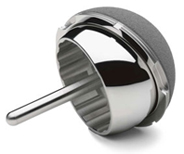
Hip replacement, or hip arthroplasty, involves removing a damaged or diseased hip joint and replacing it with a prosthetic implant. The goal is simple: reduce pain, restore mobility, and improve your overall quality of life.

There are several types of hip replacements:

  • Total Hip Replacement: Both the ball and socket of the hip joint are replaced.
  • Partial Hip Replacement: Only the ball portion of the joint is replaced.
  • Minimally Invasive Hip Replacement: Smaller incisions and less tissue disruption allow faster recovery and less scarring.

Modern surgical advances, including 3-D printed and customized implants, have made hip replacements safer and more precise than ever. Recovery times are improving, and techniques continue to evolve to make the process more comfortable and effective for patients.


Why Hip Replacements Are Needed

Hip replacements are typically recommended for people experiencing:

  • Osteoarthritis: Degeneration of joint cartilage causing pain and stiffness
  • Hip Dysplasia: Congenital misalignment of the hip joint
  • Bone-On-Bone Damage: From trauma or long-term wear
  • Inflammatory Conditions: Such as rheumatoid arthritis

Common symptoms that indicate a hip replacement may be necessary include:

  • Severe, persistent hip pain that interferes with daily life
  • Difficulty walking, climbing stairs, or standing for long periods
  • Pain that does not improve with medications, therapy, or other treatments

My Hip Replacement Journey

When I was first diagnosed with hip dysplasia and AO, I was shocked and scared. The bone-on-bone pain made every step agonizing, and I struggled with fear, uncertainty, and frustration. I wasn’t a runner or a dancer—I was a swimmer—and no one in my immediate family had hip problems. I felt very alone in navigating this challenge.

For two long years, I lingered in pain, relying on a cane just to get around. During this time, I began journaling daily to process my emotions, track my experiences, and research my options. This journal eventually became the foundation of my blog and community, Hipster Club, a place to share my story and support others navigating hip replacements.

I went on to have two hip replacements, each with its own challenges, with emotional highs and lows, and recovery struggles all became part of my journey. But each step taught me resilience, patience, and the value of community support.


Therapies That Helped Me

PEMF Therapy

One of the most effective tools I discovered was Pulsed Electromagnetic Field (PEMF) therapy. Before and after surgery, PEMF helped me:

  • Reduce inflammation and swelling
  • Improve circulation and cellular healing
  • Support immune system function and overall recovery

I used PEMF mats and targeted devices to help manage pain and accelerate tissue repair. Over time, I became a strong advocate for PEMF, seeing firsthand how it complements traditional therapies.

Gentle Exercise & Movement

  • Swimming and water therapy: Reduced stress on the joint while maintaining mobility
  • Walking: Slowly increased distance and strength without overloading the hip
  • Stretching: Helped maintain flexibility and circulation

Mind-Body Practices

  • Journaling to process emotions
  • Meditation and mindfulness to manage fear and anxiety
  • Connecting with a supportive community to share experiences and tips

Lessons Learned from My Experience

  1. Support Is Key: Don’t face hip replacement alone. Family, friends, or communities like Hipster Club provide guidance, encouragement, and practical advice.
  2. Be Your Own Advocate: Ask questions, research options, and get second opinions. Knowledge is power.
  3. Combine Therapies: PEMF, physical therapy, and gentle exercise complement surgical recovery.
  4. Listen to Your Body: Healing takes time—progress will come gradually.
  5. Focus on Emotional Health: Fear, anxiety, and frustration are normal. Address them with self-care, journaling, and connection.

Moving Forward

Hip replacement is not just a procedure—it’s a life transformation. It’s about regaining independence, reducing pain, and reclaiming the activities you love. My experience taught me that with the right preparation, support, and therapies, recovery can be empowering, transformative, and even inspiring.

Through my blog and Hipster Club, I aim to share knowledge, resources, and emotional support for anyone facing hip replacement surgery. You don’t have to go through it alone, and with guidance, your recovery journey can be as smooth, safe, and successful as possible.


Key Takeaways:

Patient advocacy, preparation, and patience are essential for a successful journey.

Hip replacements can dramatically improve quality of life and reduce chronic pain.

Modern surgical techniques make recovery faster and implants more durable.

Alternative therapies like PEMF, water exercise, and mindfulness enhance healing.

Support networks and patient communities are invaluable during recovery.

Chronic Pain NO MORE

Featured

From Shock to Strength: How I Took Control of My Hip Journey

When I was first diagnosed with hip dysplasia and AO at age 50, I was completely unprepared. Shocked. Terrified. The pain was bone-on-bone, relentless, and made every step feel like a battle. But the hardest part wasn’t just the physical agony—it was the question: Why me?

I wasn’t a runner. I wasn’t a professional dancer. I was a swimmer and a walker, someone who lived an active but moderate life. And no one in my family had hip issues. How had this happened to me?

The pain wasn’t just an inconvenience—it was isolating. Walking the dog, climbing stairs, even bending to pick something up felt risky. Every movement was a reminder of my limitations. The fear extended beyond the pain—it was the fear of losing independence, facing surgery, and stepping into the unknown.

I spent countless hours online researching my condition, meeting orthopedic specialists, and trying to understand what was happening to my body. It was overwhelming. Anxiety was a constant companion. I wondered if I’d ever feel “normal” again.

Looking back, though, that combination of pain, fear, and curiosity became my fuel. It inspired me to help others navigate this journey. That’s the heart of this site: to provide knowledge, tools, and strategies so anyone facing hip pain or surgery can approach it with confidence, courage, and clarity.


Discovering PEMF: A Game-Changer for Hip Pain

During my journey, I discovered a tool that truly transformed my recovery: PEMF (Pulsed Electromagnetic Field) therapy.

I was introduced to PEMF before my surgeries, hoping to reduce inflammation, ease pain, and extend the time before I needed surgery. My routine became a mix of gentle stretching in a YMCA pool (yes, shower caps included!) and daily PEMF sessions at home.

The results were remarkable. Not only did it help physically—reducing pain and improving mobility—but it also eased the mental toll. Having a therapy I could control gave me a sense of agency, which is priceless when facing something as daunting as surgery.

Years later, PEMF remains a cornerstone of my recovery and wellness routine. It supports healing, immune function, and overall health, and helps me manage pain without relying on harsh medications.


PEMF 101: How It Works

PEMF devices come in several forms, depending on your needs:

  • Full-body mats: Energize every cell in your body

  • Localized paddles: Target specific joints like hips, knees, or shoulders

  • Brain entrainment devices: Support neurological function and cognitive health

But what makes PEMF truly remarkable is what it does at the cellular level.


Recharging Your Cells

Every cell in your body has essential duties:

  1. Generate energy

  2. Remove waste

  3. Repair and regenerate

  4. Perform specialized functions

PEMF enhances these processes. Magnetic fields move ions and electrolytes within tissues, sparking a cascade of chemical and electrical activity that boosts healing.

This activity increases ATP (adenosine triphosphate)—the energy currency of cells. Higher ATP means your cells have more energy to repair, regenerate, and function efficiently. Low ATP? Cells get fatigued, slow down, and become vulnerable to injury or disease. PEMF acts like a cellular power-up, helping your body recover faster and function better.


The Emotional Toll of Hip Pain

Hip pain is not just a physical challenge—it’s an emotional one. Chronic discomfort can bring:

  • Fear of movement: Every step feels risky

  • Isolation: Limiting activity cuts you off from friends, family, and community

  • Uncertainty: Questions about surgery, recovery, and long-term mobility can loom large

PEMF therapy, combined with education, support, and intentional movement, can ease both the physical and emotional burden. It gives you confidence to move, reassurance to heal, and control over your recovery.


Why PEMF Matters for Hip Recovery

If you’re recovering from hip surgery or managing chronic hip pain, PEMF therapy can help your body:

  • Heal faster: By energizing cells, tissue repair is optimized

  • Reduce inflammation and pain: Targeted therapy helps joints and soft tissues recover

  • Support bone and joint health: Aids bone remodeling and recovery after surgery

  • Enhance overall cellular function: Smooths the healing process and boosts long-term health


PEMF in Action: My Routine

Here’s what worked for me:

  1. Daily sessions at home: 20–30 minutes on a full-body mat or targeted paddle

  2. Movement therapy: Gentle swimming, stretching, and walking

  3. Tracking results: Pain, mobility, and emotional well-being

  4. Education and support: Connecting with communities and professionals for guidance

The combination of cellular energy, movement, and support gave me control over my hip journey and helped me approach surgery with confidence rather than fear.


Beyond the Physical: Taking Back Control

Hip replacement is about more than surgery—it’s about reclaiming your life. PEMF therapy helped me take control by:

  • Reducing pain without over-reliance on medication

  • Supporting recovery and mobility

  • Giving me a tool to actively participate in my healing

It’s a reminder that healing isn’t passive—you are an active player in your recovery, with tools, strategies, and knowledge to guide you.


Final Thoughts

Hip pain can feel overwhelming, isolating, and scary. But with PEMF therapy, proper movement, education, and emotional support, it doesn’t have to be.

Your journey is unique, but these tools give you:

  • Energy at the cellular level to heal faster

  • Relief from pain and inflammation

  • Confidence to move safely and actively

  • Support to navigate emotional challenges

Empower your recovery: Hip pain doesn’t have to define your life. With the right strategies, you can regain mobility, restore confidence, and take control of your recovery—one empowered step at a time.

Healing After My Hip Replacement Video

Zimmer Biomet profiles Jodi Seidler’ HIP Journey

https://dd5nv2kxwzrzk.cloudfront.net/cbc5c540-8c19-496d-8cc9-8d1bb30614ec/mp4_720.mp4

Mentoring with The Hipster Girl

Featured

image

Putting the HIP back in Hip Replacements.

Contact me with any questions you have about the hip replacement process.  I’ve become sort of an expert with two different approaches (Anterior and Posterior) and two different implant materials.  With my Journalism background and my inquisitive mind, I should belong to a 12 step group for obsessing about having a hip replacement.  I researched so like crazy, and kept a daily journal until one day I started an online Hip Club for people like me.  One stop shopping to learn about hip replacements.  No need to obsess and stay up all night like I did (unless you want to).

I have had two different hips replaced in two different ways, with two different materials and components.  I’m learning it’s not the years, it’s the miles – so I budget my hips.  I don’t ski, I don’t jog – but that’s just me.  I love to walk and I love to swim.  My left (metal) hip lets me know when I’ve done too much.  It has affected sex a bit, but barely noticeable if it’s done right.  I notice people as they walk by me, that maybe need or have had a hip replacement.  It’s some kind of alien connection to other bionics.  Finally, instead of saying “why me”, let’s get in the habit of saying “why not me”…and see what magic we can create for ourselves and for others in our orbit.

Fill out the form below and we will schedule a time for a no-cost 15 minute informational and supportive phone call regarding joint replacement do’s and don’ts.

Go back

Your message has been sent

Warning
Warning
Warning
Warning

Warning.

HIP TALK

Featured

The Hipster ClubWhen we first discover, through bone-on-bone pain or an achy thigh or hip area, that we will be needing a hip replacement – our minds might be flooded with fears, questions and a WTF moment or two.  I know that my mind and emotions were constantly alternating between disbelief, panic, and numbness.  I went right to the internet and researched all night long, and also kept a journal because I had so much emotion and so many questions pouring out of me all at once.

I wasn’t a dancer, I didn’t jog, I didn’t do extreme sports or obsessive workouts – I just had wear-and-tear arthritis (AO) and dysplasia of the hip (which I did not know I was born with).  The shit hit the fan when I was 50 and raising my son in his teenage years, as a single mom. So, if single parenting wasn’t enough I had to add a few hip replacements into my life’s mix.

Chronic pain is no fun for anyone, and we can easily become isolated, depressed, depleted and feel alone in our journey into becoming bionic. With young hip replacement recipients, many surgeons would ask patients to wait as long as possible before having surgery, and we did what our doctors told us.  We waited until our quality of life got so bad we had to cry “uncle”; I waited two years until I could not even walk.  DON’T WAIT.  Research your options, get advice. Do your homework. Create a joint replacement support team.

What I didn’t know then or could not have fathomed is that my career and journalistic voice was about to change as well, but first I had to go through the dark night of the soul and TWO hips replacements in 3 years. I chose the conventional replacement the first time, with the posterior approach and titanium on plastic – and that was a very hard recovery for me and my little body.

Three years later, and with my right hip, I went to a surgeon who offered the anterior approach and ceramic and plastic. I was driving after two weeks and did not have the restrictions of the other.  I was happy to become a guinea pig of sorts (a very cute one if I may be so bold) and see which approach lasted longer and which had less pain throughout time and travel.  By the way, I was told that both approaches end up the same after the recovery period.

Well, it’s 12 years later, and I have to admit I have had a few bouts of scary pain and ache, which also created a sense memory of all that I went through.  The pain was most uncomfortable: (1) upon rising from a movie theater seat, (2) after more than 3 – 5 hours of walking (Note to self: stretching first is a great idea), (3) I have to get up every 2 – 3 hours of sitting so I do not get stiff or achy.

Remember, it’s the miles – not the years that remind us how long our hips might last.  They could last a lifetime or a few decades – but it is the quality of our lives as hipsters that matter.  Don’t take dangerous chances with your hips but also don’t live quietly either.

Feel your strength for all you have been through, be proud of the new bionic YOU and go out there and rock the world.  Make a difference. Express your strength.  Be there for others. And be YOU in all of your bionic glory!

Feel free to write in your own tips and experiences of pain or relief.  And write me if you need anything in your journey from HIP to Hero.

Forever Yours,

Jodi Seidler, Hipster Girl


TIP ONE – the Doctor Visit

Things you need to know when you visit your Doctor….Tip One!

A HIP New World


Well, the more people I meet, the more I hear about becoming bionic – with all types of body parts being replaced…it’s pretty surreal, especially when you go through it yourself.


Questions To Ask Before Hip Surgery

Questions To Ask Before Hip Surgery by Zimmer

Here’s a list of questions that may be helpful to ask your doctor before your hip surgery. We suggest you print this list and take it with you on your appointment.


  1. What complications may occur with this kind of surgery?
  2. What is the expected recovery time?
  3. How many days will I be in the hospital after surgery?
  4. Will I have physical therapy? If so, how often and for how long?
  5. Will I need full-time or part-time care? If so, for how long?
  6. Will I need a hospital bed at home?
  7. When can I lie on the operative side?
  8. How soon will I be able to walk after surgery?
  9. Will I need crutches or a walker? If so, for how long?
  10. How soon will I be able to climb stairs after surgery?
  11. How soon will I be able to drive a car after surgery?
  12. When can I shower after surgery?
  13. How soon will I be able to resume normal lifestyle activities besides walking (e.g., work, sports, housework, gardening, etc.)?
  14. Which sports may I participate in?
  15. What are lifting limits?
  16. When is sexual intercourse feasible after surgery?
  17. Will I set off the metal detectors at the airport?
  18. Will I need antibiotics for dental care?
  19. What is the implant made of? Which biomaterials will be used?
  20. In your estimate, how long will my joint replacement last?
  21. What can I do to help keep my joint replacement functioning as long as possible?
  22. What activities or other factors could make my joint replacement wear out more quickly, and what can I do to avoid them?